Wear on SSD

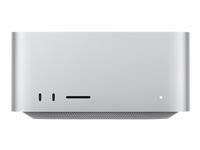
My M1 Mac mini is working fine but I would like the SSD to last as long as Poss. My main usage is updating spreadsheets (about 2 hours a day). I understand that it is writing new data which produces wear on the SSD. My updated files are stored externally in iCloud drive, Time Machine and a 1 tb SSD. As I'm not storing my updated files on my MAC mini will that produce a longer life for my Mac mini or is it the daily processing and updating of my files which causes wear on my Mac SSD? I'm not worried about running out of storage space.

Mac mini (M1, 2020)

Posted on Feb 7, 2024 12:30 AM

Reply
Question marked as Top-ranking reply

Posted on Feb 8, 2024 5:48 AM

Unless you are doing work that writes 80-100 GB+ a day to the SSD there is really no need to worry.


However, if you have insufficient RAM in your system and your apps are constantly memory swapping to disk, you could be writing substantial amounts and not really be aware of it because of the speed of the SSDs are so fast to make memory swapping not seem very noticeable unlike the old spinning HDD. Even at that, if the daily swap writing is 10-20 GB per day or less there is no real problem.


Some simple math, a 512GB SSD generally in the industry have a TBW spec (terabytes written) of around 300 TBW. There are some that are higher than that but just as a math example I will use that. Say you are writing 30GB a day to that SSD. The simple math says that it will be 10,000 days before reaching that or 27.4 years. 30 GB a day is a lot of data. Even at 60 GB a day that ends up 13.7 years. Chances are that the Mac will be quite outdated by that time.


The last thing to note, is all the TBW specs that manufacturers state for SSDs is solely for warranty coverage. So, just because you reach that level of use does not mean that it will die that is just how long that manufacturers will cover that drive.


Similar questions

8 replies
Question marked as Top-ranking reply

Feb 8, 2024 5:48 AM in response to CONFUSEDOAP

Unless you are doing work that writes 80-100 GB+ a day to the SSD there is really no need to worry.


However, if you have insufficient RAM in your system and your apps are constantly memory swapping to disk, you could be writing substantial amounts and not really be aware of it because of the speed of the SSDs are so fast to make memory swapping not seem very noticeable unlike the old spinning HDD. Even at that, if the daily swap writing is 10-20 GB per day or less there is no real problem.


Some simple math, a 512GB SSD generally in the industry have a TBW spec (terabytes written) of around 300 TBW. There are some that are higher than that but just as a math example I will use that. Say you are writing 30GB a day to that SSD. The simple math says that it will be 10,000 days before reaching that or 27.4 years. 30 GB a day is a lot of data. Even at 60 GB a day that ends up 13.7 years. Chances are that the Mac will be quite outdated by that time.


The last thing to note, is all the TBW specs that manufacturers state for SSDs is solely for warranty coverage. So, just because you reach that level of use does not mean that it will die that is just how long that manufacturers will cover that drive.

Feb 7, 2024 5:44 AM in response to CONFUSEDOAP

SSD wear on the M series Macs is really no cause for concern. The hardware and software are optimized to provide the greatest longevity without the need for special handling.


Older systems, especially those where the internal startup HDD had been replaced with an SSD, could take advantage of what is called the TRIM feature of an SSD to provide wear leveling, a way to increase the lifespan of the SSD. The feature was not available on all third-party SSDs. The feature could be turned on and off in the OS and some SSDs had it built in.


In the case of the M series Macs, I have no doubt whatsoever that Apple have designed their hardware to leverage the feature to the benefit of the user.

Feb 8, 2024 9:14 AM in response to CONFUSEDOAP

If you are really paranoid (like me!) about SSD wear you can buy a cheap 1 TB (or smaller) SSD that connects by USB 3.0, install the operating system on it and run your Mac from that.


There will then be zero wear on your internal SSD.


The USB 3.0 SSD will only be a quarter the speed of your internal but this will have no noticeable effect on the speed of your computer for all normal tasks.


I edit 1080p and 4K video with Final Cut Pro and DaVinci Resolve and there is no difference in performance whether I use the internal or USB SSD. Likewise Geekbench scores are identical.

This thread has been closed by the system or the community team. You may vote for any posts you find helpful, or search the Community for additional answers.

Wear on SSD

Welcome to Apple Support Community
A forum where Apple customers help each other with their products. Get started with your Apple Account.